

By Olamilekan Jaji
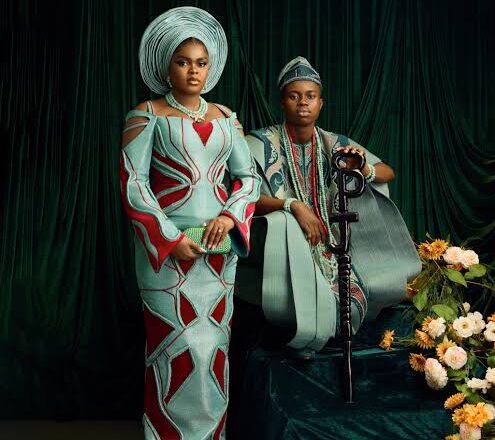
In the humid aftermath of a star-studded traditional wedding in Lekki, Lagos, on 1 August 2026, Nigerian content creator and livestreamer Habeeb Hamzat Adelaja—better known as Peller—walked into a bank with what he believed was a small fortune. The naira notes passed without issue. The US dollars did not.
“I went to the bank yesterday to deposit my money, after the ₦ currency deposition, they told me most of the $ currency I brought were fake, that’s almost $30,000 cash. I know the people that spent me the fake $, but I won’t mention them now,” Peller told viewers during a livestream on 4 August. He had returned home from the ceremony thinking himself a sudden millionaire, even filming celebratory clips with the cash. Reality arrived with the bank’s verification machines.
The revelation, widely reported across Nigerian media, has done more than spark online debate about the old practice of spraying money at celebrations. It has held up a mirror to a generation raised on the curated excess of social media—where success is measured in views, gifts, and the public performance of wealth.
Peller, born in 2005 in Ikorodu, Lagos, rose through sarcastic livestreams and comedy skits to become one of Nigeria’s most-watched young digital voices. His wedding to fellow creator Amadou Elizabeth Aminata (Jarvis) drew celebrities, lavish gifts, and the inevitable cascade of currency. The subsequent discovery of counterfeit dollars is not merely personal misfortune; it is a cautionary episode in a culture that often confuses spectacle with substance.
Nigeria has produced many young people who have turned social media into genuine platforms of influence, entrepreneurship, and international recognition. Creators, educators, tech innovators, and storytellers have built careers that extend far beyond national borders, generating income, employing others, and projecting Nigerian creativity globally. Their achievements deserve celebration. Yet the same platforms that amplify real talent also amplify the performance of wealth—designer clothes, luxury cars, sprayed cash, and overnight “millionaire” status that may rest on shaky foundations.
This flamboyant lifestyle exerts a powerful pull on impressionable youth. When the gap between online image and offline reality becomes too wide, some chase the image through crime, fraud, internet scams, and other vices that leave families broken and communities poorer. The pressure to “spray,” to display, to appear successful at all costs can turn aspiration into desperation. Peller’s own outburst, whether viewed as candid or theatrical, underscores how even those who appear to have “arrived” can find the currency of public adulation devalued overnight.
Looking at figures like Peller solely through the lens of social media success risks missing the fuller picture. Youth must learn to disregard the syndrome of juvenile delinquency that sometimes accompanies sudden visibility—the impulsive displays, the public dramas, the unresolved controversies that trail many young influencers. Success online is not a moral free pass, nor is it proof of enduring achievement. Character, consistency, and contribution matter more than the next viral clip.
Government has a critical role. The fight against corruption must be relentless and visible, not selective. Counterfeit currency, financial fraud, and the broader culture of get-rich-quick schemes thrive in environments where accountability is weak. Restoring public confidence—especially among the young—requires more than slogans. It demands transparent institutions, functional education systems that teach critical digital literacy, and sustained campaigns that remind citizens that most social media posts are carefully constructed performances, far removed from everyday reality.
Reorientation is overdue. Schools, families, religious institutions, and media platforms should help young people distinguish between curated highlight reels and sustainable paths. Entrepreneurship, skills acquisition, and patient investment in real value create more durable success than the temporary high of sprayed notes—real or fake.
Peller’s bank visit will fade from the timelines. The deeper questions it raises should not. Nigeria’s youth do not need more illusions of instant wealth. They need models of integrity, systems that reward genuine effort, and the collective wisdom to look past the noise. The dollars may have been counterfeit. The lesson does not have to be.