

By Olamilekan Jaji
As young people chase opportunity, who is left to care for those who once cared for us?
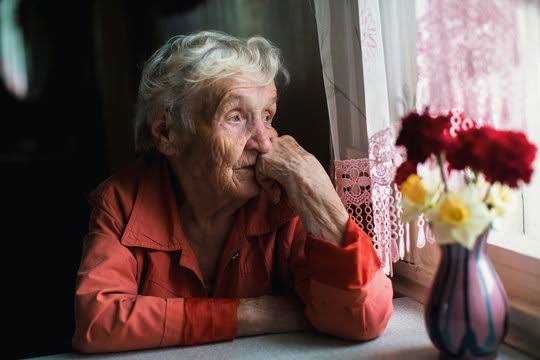
On a quiet weekday morning, an elderly man sits alone under the shade of a tree outside his home. His children, now scattered across cities and countries, call when they can. But the day-to-day care—meals, medications, doctor visits—has become his sole responsibility or, at best, a shared task with kind-hearted neighbors.
“I raised six children,” he says softly. “Now it’s just me—and my radio.”
Scenes like his are becoming increasingly common. As more young adults move in search of opportunity, a growing population of older people is being left behind—often without the physical, emotional, or financial support they need to age with dignity.
A Changing Tradition
In many traditional societies, caring for the elderly was a communal responsibility—anchored in extended families and intergenerational households. Parents cared for children, and in time, children returned the favor. Elders were not just cared for—they were revered.
Today, that cultural contract is fraying.
Urban migration, international relocation, and the global search for economic security have changed family structures. Younger generations are moving farther and more frequently, making it harder to fulfill the expectations of elder care. In many communities, the elderly are left to navigate their final years alone, with diminishing resources and little institutional support.
The Growing Crisis
According to global projections, one in six people will be over 65 by the year 2050. In many developing countries, this aging population is expanding faster than social support systems can keep up.
With fewer people around to provide care, more seniors are slipping through the cracks—suffering from untreated health conditions, poor nutrition, isolation, and, in some cases, outright abandonment. The safety nets that once existed in families and communities have become patchy or have disappeared altogether.
Experts call it a “silent epidemic”—a slow-moving but urgent crisis that remains largely unaddressed.
The Double-Edged Sword of Migration
Migration has long been seen as a path to better lives, and in many ways, it still is. Remittances sent from abroad or urban centers are a lifeline for families. But when it comes to elder care, money alone doesn’t solve everything.
“Financial support helps,” says one eldercare advocate, “but it doesn’t cook meals, give medication, or provide companionship.”
Some families are turning to virtual caregiving—video calls, digital check-ins, even hiring local aides. But the human need for presence and emotional connection remains unmet in many cases.
Rethinking the System: What Needs to Change
As traditional family-based care declines, new systems must rise to fill the void. Experts and advocates are calling for bold, practical steps:
1. Reform National Elder Care Policies
Existing policies on aging must move from paper to practice. Governments should prioritize timely pensions, subsidized healthcare, legal protections, and dedicated social services for the elderly.
2. Build Community-Centered Solutions
Grassroots programs such as day centers, mobile clinics, and faith-based outreach initiatives can offer seniors vital services and social interaction—without depending solely on distant relatives.
3. Train and Support Care Workers
Formal caregiving is emerging as a necessary profession. Structured training programs, certification, and career pathways for eldercare workers can address the growing gap in direct support.
4. Promote Digital Inclusion for Seniors
While technology can’t replace human presence, it can supplement it. Teaching seniors to use mobile phones, emergency alert systems, and telehealth apps can provide safety and connectivity.
5. Revive Intergenerational Bonds
From classrooms to pulpits to television screens, society must reinstate the value of honoring elders. Aging should not be viewed as decline—but as a phase of life that deserves dignity, attention, and care.
Looking Ahead
Migration, at its core, is not the enemy. It has opened doors, transformed lives, and lifted families out of poverty. But without intentional planning and cultural recalibration, it may also create unintended casualties—particularly among those who stayed behind.
As one expert put it, “The way a society treats its elders today is the life it’s preparing for its younger generation tomorrow.”
Final Thoughts
The elderly man still looks forward to his children’s weekly calls. Their voices offer comfort, but not companionship. They send money, but not meals. The warmth of their words cannot replace the care he once gave so freely.
If we are to build a future worth growing old in, elder care must become a shared, deliberate responsibility—combining traditional values with modern solutions.
Because one day, all of us will sit in the same chair.
Olamilekan Jaji is an old age advocate and publisher of AGEING FOR YOU AND ME, BEYOND OLD AGE, OLDER ADULT AND SUICIDE and other literatures for seniors. He writes from Abeokuta, Ogun state Nigeria.